
How to Move Heavy Appliances Safely or When to Hire Pros
Moving heavy appliances ranks among the most challenging aspects of any relocation. Refrigerators can weigh over 300 pounds, while washers and dryers often tip the scales at 200 pounds or more. These bulky items require careful planning, proper equipment, and an honest assessment of your capabilities. Throughout our years serving Sarasota families, we've seen both successful DIY appliance moves and situations where professional help becomes essential. This guide walks you through everything you need to know about moving appliances safely, from preparation to execution, and helps you determine when to hire professional movers for your specific situation.

Why Moving Heavy Appliances Requires Special Attention
Moving appliances isn't just about lifting something heavy from point A to point B. These machines contain delicate internal components, electrical connections, and sometimes gas or water lines that demand proper handling.
The Weight and Size Challenge
The average refrigerator weighs between 200 and 400 pounds, depending on size and features. Front-loading washers often exceed 200 pounds due to their concrete counterweights. These numbers represent significant physical challenges, especially when navigating stairs, doorways, or tight corners. The awkward dimensions of appliances compound the weight issue. A refrigerator might be 36 inches wide, but it only has small handholds at the bottom.
Risks of DIY Appliance Moving
Back injuries top the list of DIY moving accidents, with heavy appliances being the primary culprits. Herniated discs, muscle strains, and joint injuries can result from improper lifting techniques. Property damage presents another significant risk. Scratched hardwood floors, dented walls, damaged appliances, and broken tile frequently occur during amateur appliance moves.
Common Appliance Moving Mistakes
Failing to disconnect appliances properly leads to water damage, gas leaks, or electrical issues. We've responded to moves where homeowners forgot to turn off water supply lines, resulting in flooded homes. Not securing appliance doors and internal components causes damage during transport. Underestimating the difficulty represents perhaps the most common mistake. These appliance moving tips can help you avoid costly errors.
Essential Equipment for Moving Appliances Safely
Having the right tools transforms an impossible task into a manageable one. Professional movers rely on specific equipment designed for heavy appliance transport.
Moving Straps and Dollies
Appliance dollies differ from standard hand trucks. They feature wider bases, higher weight capacities, and often include straps to secure loads. A quality appliance dolly can support 600 to 800 pounds and makes moving refrigerators significantly safer. Moving straps distribute weight across your shoulders and legs rather than relying solely on arm and back strength.
Protective Materials You'll Need
Furniture blankets protect appliances from scratches and dents during transport. We recommend wrapping every major appliance completely. Stretch wrap secures blankets in place and keeps doors closed during the move. Floor protection matters as much as appliance protection. Cardboard runners or plastic sheeting prevent scratches on hardwood and tile.
Tools for Disconnecting Appliances
Adjustable wrenches disconnect water supply lines from washers, refrigerators, and dishwashers. Screwdrivers remove anti-tip brackets from ranges and mounting hardware from dryers. Keep plastic bags handy for small parts and hardware. Label everything clearly so reassembly becomes straightforward.
Step-by-Step Guide to Moving Heavy Appliances
Proper preparation prevents problems and makes the actual move safer and more efficient. These appliance moving tips ensure you handle everything correctly from start to finish.
Preparing Your Appliances for the Move
Start preparation at least 24 hours before moving day. Refrigerators and freezers need time to defrost completely. Empty all contents and prop doors open to prevent mold growth. Clean appliances thoroughly before moving. Washers need their drums emptied and dried.
Disconnecting Water and Gas Lines
Turn off water supply valves before disconnecting any appliance. Most valves are located behind the appliance or under nearby sinks. Use buckets to catch residual water when removing supply lines. Gas appliances require extra caution. Turn off the gas supply valve completely before attempting disconnection. We recommend having licensed technicians handle gas disconnections for safety. Sarasota County Utilities can guide proper shutoff procedures.
Securing Doors and Moving Parts
Remove or secure everything that can shift during transport. Refrigerator shelves and drawers should come out completely. Washing machine drums need shipping bolts if you still have them. Without shipping bolts, stuff the drum with blankets to prevent movement. Tape appliance doors closed with painter's tape.
Loading Techniques That Prevent Damage
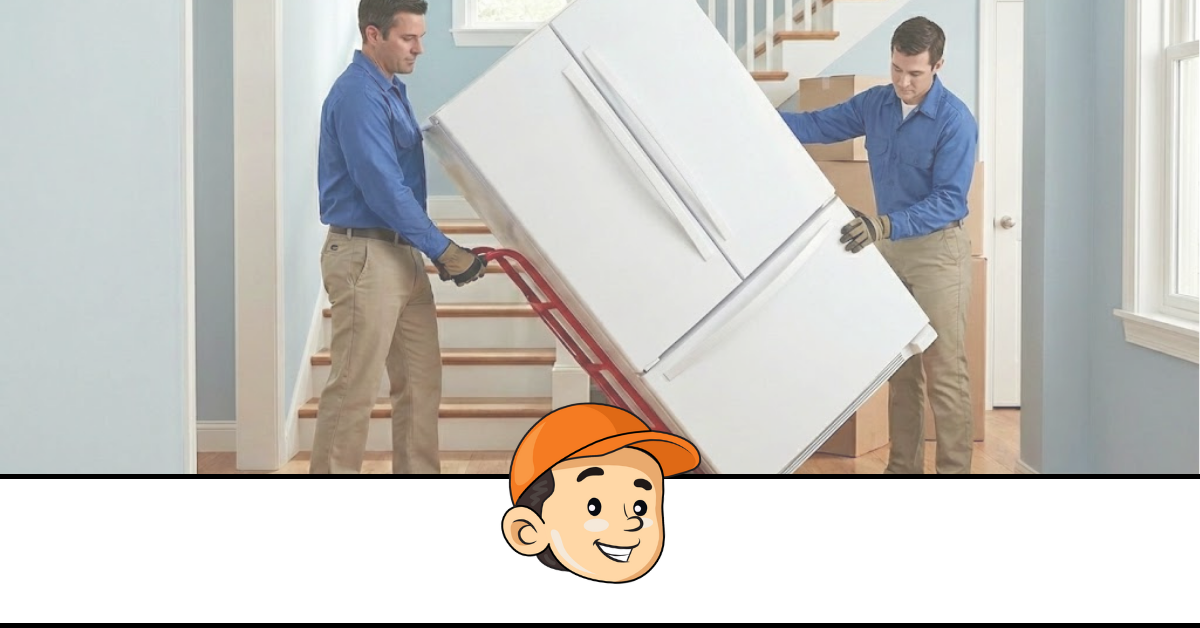
Keep appliances upright whenever possible. Refrigerators contain compressors and coolant systems that can be damaged when tilted. Use ramps when loading onto trucks. Lifting appliances over tailgates increases injury risk dramatically. Secure appliances against the truck wall using straps.
When to Hire Professional Movers for Appliances
Knowing your limits isn't a weakness but wisdom. Several situations clearly favor professional help, and understanding the cost to move appliances helps you make informed decisions.
Signs Your Appliance Move Needs Professional Help
Stairs present the most obvious indicator that professionals make sense. Moving a refrigerator downstairs requires specialized equipment and training. Multiple heavy appliances tip the scale toward professional help. Moving one refrigerator yourself might be manageable, but adding a washer, dryer, and range becomes overwhelming. Valuable or built-in appliances deserve professional handling. Knowing when to hire professional movers protects both your health and your investment.
What Professional Movers Bring to the Table
Professional movers carry insurance that protects your appliances and property. If damage occurs, you're covered. Experience matters immensely with appliance moving. We've developed techniques over thousands of moves that prevent common problems. Professional equipment makes difficult moves routine. Following our complete moving guide helps you understand what professional service includes.
Cost Factors for Professional Appliance Moving
The cost to move appliances depends on several factors. The number of appliances, stairs, distance, and disconnection needs all affect pricing. Most Sarasota moving companies charge hourly rates ranging from $100 to $150 for two movers. A typical appliance-only move might take two to three hours. Consider this against the potential costs of DIY mishaps. Our complete moving checklist helps you budget appropriately for professional services.
Moving Specific Appliances: What You Need to Know
Different appliances present unique challenges requiring tailored approaches.
Refrigerators and Freezers
Refrigerators demand the most careful handling of any appliance. Defrost completely at least 24 hours before moving. Remove all shelves, drawers, and loose components. Secure the doors with moving straps or rope rather than tape. Keep refrigerators as upright as possible throughout the move. Wait four to six hours after moving before plugging in.
Washers and Dryers
Front-loading washers need shipping bolts reinstalled before moving. These bolts secure the drum and prevent damage during transport. If shipping bolts are lost, stuff the drum tightly with blankets or towels. Disconnect water supply lines from washers and drainage hoses from both washers and dryers. Gas dryers require professional disconnection. Contact Gulf Coast Gas for certified technicians in the Sarasota area.
Stoves and Ovens
Electric ranges are straightforward to disconnect if you're comfortable working with 220-volt outlets. Turn off the circuit breaker first for safety. Gas ranges must be disconnected by professionals. Remove oven racks and stovetop grates before moving. Check the anti-tip bracket behind the range before moving.
Sarasota-Specific Considerations for Appliance Moves
Our Southwest Florida location presents unique factors that affect appliance moving.
Climate Factors in Southwest Florida
Sarasota's heat and humidity impact appliance moving strategies. Moving during the summer months means working in temperatures often exceeding 90 degrees. Start early in the morning when temperatures are cooler. Hydration is critical for anyone moving heavy items in Florida's heat.
Navigating Sarasota's Condo and Multi-Story Buildings
Many Sarasota residents live in condos and townhomes, requiring elevator use for moves. Buildings like The Ritz-Carlton Residences have specific moving policies and elevator reservations. Reserve service elevators well in advance of your move date. Measure doorways and appliances carefully before attempting moves.
Local Resources for Appliance Disposal and Recycling
Not all appliances make the move to your new home. Sarasota County Recycling accepts old appliances at its facilities. Local retailers like Knapp's often offer appliance removal when delivering new units.

Making the Smart Choice for Your Appliance Move
Moving heavy appliances safely requires an honest assessment of your capabilities, proper equipment, and careful execution. The physical demands and potential risks shouldn't be underestimated. We've helped countless Sarasota families navigate appliance moves safely, from beachfront condos to Lakewood Ranch homes. Whether you choose to handle your appliance move independently or seek professional help, following proper procedures protects both you and your property.
Happy Helpers Moving specializes in safe, efficient appliance moving throughout Sarasota and the surrounding areas. Contact us today for a free quote and let our veteran-owned team handle the heavy lifting while you focus on settling into your new home.