
The Home Protection Checklist Most People Forget
You have finally done it. The final box has been carried through the front door, the
moving company
has driven off into the sunset, and your exhausting relocation process is officially complete. You are standing in the living room of your new home, surrounded by cardboard, feeling a mix of profound relief and excitement. For a new homeowner, this is the moment you have been waiting for. You have successfully acquired a new property, and your primary focus is naturally shifting toward unpacking, arranging furniture, and choosing paint colors to match your aesthetic.
However, while the physical labor of moving your belongings might be over, the work of securing your new investment has only just begun.
Most people are so consumed by the logistics of moving that they completely overlook the structural and security vulnerabilities of their new environment. When you purchase a home, you are adopting its history—including worn-out systems, hidden damage, and outdated security measures left behind by previous residents. Ignoring these critical factors in the first few weeks of occupancy can lead to devastating consequences, from theft and weather damage to catastrophic plumbing emergencies.
That is why we have compiled the ultimate security checklist and home maintenance guide. Before you hang your first picture frame or host your first dinner party, you need to transition your mindset from moving to protecting. Here is the comprehensive, step-by-step home protection checklist that most people forget, designed to keep your family, your belongings, and your new home completely secure.
1. Secure the Perimeter: Doors, Locks, and Windows
When you are handed the keys at closing, it is a symbolic and exciting moment. But ask yourself: how many other people are holding a copy of those exact same keys? The previous owners, their extended family members, neighbors who watched the house, dog walkers, babysitters, and a whole host of contractors or real estate agents could theoretically have unrestricted access to your home.
Upgrade Your Locks and Deadbolts Immediately
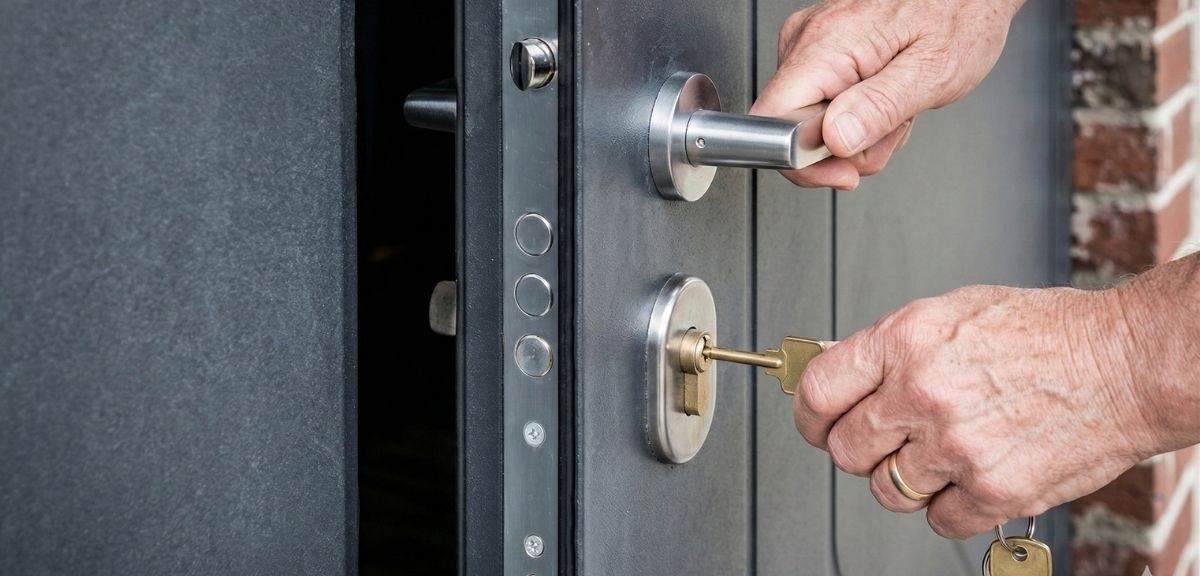
The very first action you should take upon taking possession of a new house is to completely replace or re-key the locks on every single exterior door. This includes the front door, back door, side garage doors, and sliding patio doors. Do not rely on the existing hardware, even if it looks relatively new. Upgrading to heavy-duty deadbolts with at least a one-inch throw significantly reduces the risk of forced entry. This is the foundation of your new home security checklist.
Reset Every Security Code and Smart System
If your new home came equipped with built-in smart home systems, an electronic keypad, or a garage door opener, you must reset the master security code immediately. Many homeowners forget that a garage door remote clipped to a previous owner's visor—or a default factory code on a smart lock—grants instant access to the house. Take the time to wipe the digital slate clean. Re-program all keypads, update passwords for integrated Wi-Fi security devices, and ensure that only you and your trusted family members have the new credentials.
Secure Windows and Install Cameras
Burglars and intruders rarely pick locks; they look for the path of least resistance, which is usually an unlocked or easily pried window. Walk through every room in the house and physically test the latches. Ground-floor windows and basement egress windows are particularly vulnerable. To truly secure windows, consider installing secondary locking mechanisms, such as pin locks or track blockers, which prevent the window from being forced open from the outside.
Furthermore, installing highly visible exterior cameras at all entry points is one of the most effective deterrents available. Even dummy cameras can make a potential intruder think twice, but a functioning, motion-activated camera system linked to your smartphone provides real-time peace of mind when you leave the house.
2. Fortify the Roof and Exterior Against the Elements
Protecting your home is not just about keeping bad actors out; it is equally about keeping the forces of nature at bay. A standard pre-purchase home inspection is an excellent baseline, but it often only scratches the surface when it comes to long-term exterior durability. Inspectors are generalists, not specialists, and they can easily miss granular details that lead to severe structural damage down the road.
Prioritize Comprehensive Weatherproofing
Depending on where your new home is located, the local climate can be incredibly unforgiving. In places like Florida, homes are subjected to relentless UV rays, extreme humidity, torrential downpours, and the looming threat of hurricane season. Proper weatherproofing is not a luxury; it is an absolute necessity. Check the caulking around all exterior windows and doors, inspect the weatherstripping, and ensure that the exterior paint or siding is adequately sealed to prevent moisture intrusion, which can lead to rapid mold growth and wood rot.
Schedule a Specialized Roof Inspection
The roof is your home’s first line of defense against the elements, yet it is the most frequently ignored component because it is out of sight. Do not wait for a water stain to appear on your living room ceiling to assess the health of your roof. The transition period immediately after moving in is the perfect time to have a professional evaluate the integrity of the materials.
If you want to ensure your property is ready for the stormy season, consulting a specialized Roofing contractor Plantation can help you identify missing shingles, compromised flashing, or hidden vulnerabilities before they turn into costly leaks. A local expert will know exactly what local weather patterns do to specific roofing materials and can provide targeted maintenance to extend the life of your roof.
Manage Landscaping and Tree Branches
Your home's perimeter extends into the yard. Overgrown landscaping might look beautiful, but it poses a severe threat to your home's exterior. Large tree branches hanging over the roofline can scrape away the protective granules on your shingles, create a bridge for rodents and pests to access your attic, or, worse, crash through your roof during high winds. Trim back any foliage so there is at least a six-foot clearance between trees and your home's exterior.
3. Prevent Interior Disasters: Shut-Off Valves and Systems
Once the exterior is fortified, you must familiarize yourself with the internal nervous system of your home. When an emergency strikes—like a burst pipe at 2:00 AM—you do not have the luxury of time to go searching for a valve. You need to know exactly how to kill the power and water instantly.
Locate the Main Water Shut-Off Valve and Electrical Breaker Box
One of the most vital safety tips for any new homeowner is to locate the main water shut-off valve. This valve controls the flow of all water into the house. It is typically found near the perimeter of the house, in a basement, a utility closet, or an exterior wall near the street. Once you find it, test it. Turn it off and check the faucets to ensure the water actually stops. A malfunctioning valve is useless during a major plumbing disaster. Knowing how to stop leaks immediately can save you tens of thousands of dollars in water damage.
Equally important is locating the electrical breaker box. Open the panel and verify that all the switches are clearly and accurately labeled. If the previous owner left a confusing, scribbled mess, take an afternoon with a partner to test and relabel every breaker. This ensures you can cut power safely during an electrical emergency or when performing routine maintenance.
Service the HVAC System
The HVAC system (Heating, Ventilation, and Air Conditioning) is the lungs of your home. Moving is a dusty, dirty process. Open doors, foot traffic, and the settling of cardboard fibers can severely clog your air filters. Within the first week of moving in, replace all the air filters in the house. Consider bringing in a local professional to clean the ductwork and inspect the AC unit, ensuring it runs efficiently and safely, pushing clean air through your newly established living spaces.
Clear Walkways and Remove Clutter
The days immediately following a move are notoriously chaotic. Boxes are stacked haphazardly, packing paper is strewn about, and furniture is out of place. This creates a massive tripping hazard. Make it a priority to remove clutter from high-traffic walkways and, most importantly, the stairs. Falls are among the most common household injuries during a relocation. Break down boxes as soon as they are empty and ensure that every path to an exit is clear of obstacles.
4. Establish a Family Escape Plan and Safety Kit
Protecting the physical structure of the home is crucial, but protecting the people inside it is paramount. A new floor plan means your family’s old emergency routines no longer apply. You must establish new protocols for navigating the space during a crisis.
Test Fire and Smoke Detectors
Do not trust that the previous owners diligently changed the batteries in the smoke detectors. On day one, walk through the house and test every single unit. Replace all the batteries, regardless of when they were allegedly last changed. Ensure you have functioning detectors inside every bedroom, outside every sleeping area, and on every level of the home. Do the same for carbon monoxide detectors, which are vital if your home utilizes natural gas appliances or has an attached garage. In the event of a fire, these devices are your only early warning system.
Build a Robust Emergency Kit
Every home needs a dedicated emergency kit stored in an easily accessible location. This kit should contain basic supplies to sustain your family for at least 72 hours in the event of a power outage or natural disaster. Include flashlights with extra batteries, a fully stocked first-aid kit, non-perishable food, bottled water, a battery-operated radio, and basic tools. Keep this kit in a known location, such as a hall closet or the pantry, so no one is fumbling in the dark when the power goes out.
Draft an Escape Plan
Sit down with your family and map out a clear escape plan. Because the layout of the house is unfamiliar, you must plan ahead. Identify two distinct ways to exit every single room (usually a door and a window). If you have a two-story home, invest in rollout escape ladders for the upper bedrooms. Designate a specific safe place or shelter outside the home—like a prominent tree in the front yard or a neighbor’s driveway—where everyone knows to meet if you have to evacuate in the middle of the night in an emergency.
5. Connect with the Community and Update Policies
Home protection extends beyond the physical boundaries of your property line. Integrating into your new neighborhood and ensuring your administrative affairs are in order forms the final layer of your security strategy.
Finalize Policies with Your Insurers
Before you moved, you likely set up a basic homeowner's insurance policy to satisfy your mortgage lender. However, once you are moved in and your belongings are unpacked, you should review this policy in detail with your insurers. Ensure that the coverage limits accurately reflect the true replacement value of the home and your personal property. If you have moved to an area prone to specific environmental threats (like floods or windstorms), confirm that you have the appropriate supplementary policies in place to cover those distinct risks.
Join the Neighborhood Watch and Set Up Alerts
The people living around you are one of your greatest security assets. Take the time to introduce yourself to your new neighbors and other residents. A tight-knit community looks out for one another. Find out if your street has an active neighborhood watch program or a community social media group. Joining these networks allows you to stay informed about local issues, suspicious activity, or area-specific maintenance problems. Furthermore, sign up for your county's emergency text alert system so you receive immediate notifications directly to your phone regarding severe weather, road closures, or instructions on who to contact during a municipal crisis.
Settle In with Total Peace of Mind
Transitioning into a new home is a monumental life event. It is incredibly tempting to focus solely on the aesthetics—arranging the living room, hanging curtains, and organizing the kitchen. But true comfort in a new house doesn't come from perfect interior design; it comes from knowing that the environment is fundamentally safe, structurally sound, and fully prepared for whatever life throws at it.
By actively working through this security checklist—from upgrading your deadbolts and securing your HVAC to having the roof professionally inspected and drafting a family escape plan—you are taking proactive control of your new environment.
At Happy Helpers Moving Co., our mission is to ensure your physical transition is as smooth, efficient, and stress-free as possible. We handle the heavy lifting, the careful packing, and the safe transport of your life's belongings so that when we hand you the final box, you have the energy and clarity to focus on what matters most: turning that new house into a safe, deeply protected home.
Ready to start your next chapter? If you or someone you know is planning a move in the Sarasota area, contact Happy Helpers Moving Co. today for a seamless relocation experience. Let us carry the weight, so you can focus on building your future.