
How to Pack Clothes Fast Without Wrinkles: Expert Tips from Professional Movers
Moving day approaches fast, and your closet is still full. You need to pack clothes fast without wrinkles, but you're not sure where to start. We've helped thousands of families relocate across Sarasota and beyond, and we've learned exactly what works when time is tight. The key is combining smart preparation with proven wrinkle-free packing methods that protect your wardrobe during transport. Throughout this guide, we'll share the efficient clothing organization moving techniques we use every day to help our clients arrive at their new homes with pristine wardrobes ready to wear.
How to Prepare Your Clothes Before Packing Day
Preparation makes the difference between chaotic last-minute stuffing and organized, efficient packing. We always tell our clients that spending an hour sorting before packing saves three hours unpacking later.
Sort and Declutter Your Wardrobe First
Start by pulling everything out of your closets and dressers. We recommend the three-pile method: keep, donate, and discard. Be honest about what you actually wear versus what just takes up space. Sarasota's warm climate means you probably won't need heavy winter coats and bulky sweaters as often. Consider donating gently used items to Goodwill Manasota, which serves our local community and makes the process easy.
Creating an inventory helps track what you're moving. Check out our guide on how to inventory everything before your move for a systematic approach.
Clean and Dry Everything Thoroughly
Never pack dirty clothes. Stains set during moves, and odors intensify in closed boxes. Wash and completely dry everything before packing day arrives. Florida's humidity can cause mildew on damp fabrics, which creates permanent damage you can't reverse. If you're using dry cleaning services, visit Tide Cleaners on Cattlemen Road well before your move date to ensure everything returns in time. Completely dry clothes also pack tighter and resist wrinkles better than damp garments.
Separate Delicates from Everyday Wear
Group your clothing by fabric type and care requirements before you start folding clothes for moving. Silks, linens, and delicate fabrics need different handling than cotton t-shirts and jeans. We pack formal wear separately from casual clothes to prevent heavy items from crushing delicate pieces. Keep undergarments and socks in sealed plastic bags to maintain hygiene during the move.
Essential Packing Supplies for Wrinkle-Free Clothes
Having the right materials transforms a frustrating task into a manageable project. We never start packing without these essentials on hand.
Wardrobe Boxes vs. Regular Moving Boxes
Wardrobe boxes are tall containers with built-in hanging bars. They let you transfer clothes directly from your closet without removing hangers. We use these for suits, dresses, dress shirts, and anything you'd normally hang. Regular moving boxes work fine for folded items like jeans, sweaters, and casual wear. Medium-sized boxes prevent overpacking, which is the number one cause of wrinkled clothes. We recommend boxes around 18 inches cubed for most clothing items.
Packing Paper, Tissue, and Plastic Bags
Unprinted packing paper protects clothes from newsprint stains and provides cushioning between layers. White tissue paper works beautifully for wrinkle-free packing methods on delicate fabrics and dress clothes. We stuff tissue into sleeves and between folds to maintain shape during transport. Plastic dry cleaning bags create slippery layers that reduce friction and wrinkles. Purchase quality packing supplies from Lowe's on Fruitville Road before packing day.
Hangers and Garment Bags
Keep sturdy plastic or wooden hangers for items going into wardrobe boxes. Cheap wire hangers bend during moves and don't provide adequate support. Fabric garment bags protect expensive suits and formal wear from dust and minor tears. We recommend breathable fabric rather than plastic for long-term storage since Florida's humidity can trap moisture.
The Bundle Wrapping Method for Dress Clothes
This technique comes from professional travel experts and military personnel. We've adapted it for moving, and it dramatically reduces wrinkles in dress clothes.
Step-by-Step Bundle Packing Process
- Lay your longest, most wrinkle-prone item flat on a bed or table.
- Place the second item on top, rotating it 180 degrees.
- Continue layering clothes in alternating directions, creating a cross pattern.
- Put a small pillow or rolled towel in the center as your core.
- Wrap each garment around this central core, using sleeves and excess fabric to cushion the bundle.
The constant tension keeps fabrics smooth and prevents the sharp creases that traditional folding creates. Secure the completed bundle with large rubber bands or packing straps.
Which Garments to Bundle Together
Bundle dress shirts, blouses, slacks, and lightweight dresses together. These items benefit most from the tension method. Keep similar fabric weights together since mixing heavy and light items reduces effectiveness. We typically create bundles of five to eight garments, depending on thickness. This wrinkle-free packing method works exceptionally well for business wardrobes and special occasion clothing.
Rolling vs. Folding: Choosing the Right Technique
Different clothes require different approaches. Knowing when to roll and when to fold is part of efficient clothing organization and moving.
When to Roll Your Clothes
Rolling works perfectly for t-shirts, casual pants, pajamas, and workout clothes. These items resist wrinkles naturally and compress well when rolled tightly. We roll clothes when we need to maximize space and aren't worried about crisp presentation. Roll each item tightly from bottom to top, smoothing as you go. Stand rolled items vertically in boxes like files in a drawer.
When to Fold Instead
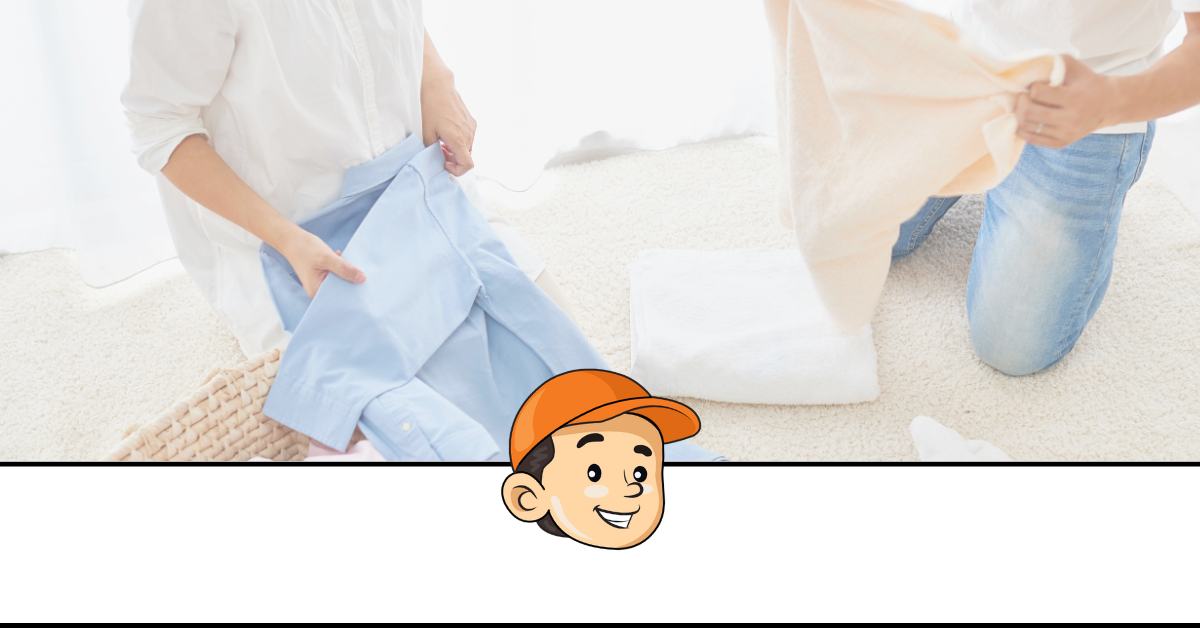
Fold button-down shirts, khakis, and anything you want to look pressed when you unpack. The best way to fold clothes for moving is to pay careful attention to seams and natural fold lines. Lay shirts face-down, fold sleeves inward along the shoulder seam, then fold in half or thirds lengthwise. Place tissue paper between folds to prevent creases.
The Flat-Lay Method for Delicate Fabrics
Silk blouses, linen pants, and other delicate items need the gentlest approach. Lay these pieces completely flat in shallow boxes with tissue paper between each layer. If you must fold delicate items, make as few folds as possible and cushion each fold with tissue. We pack these boxes last and load them on top of the truck, where nothing can compress them.
Packing Different Types of Clothing
Each wardrobe category has specific needs. Here's how we handle the most common clothing types during packing clothes in boxes tips.
Suits, Dresses, and Formal Wear
Suits stay on hangers in wardrobe boxes whenever possible. Button jackets completely and zip or button pants before hanging. Cover with garment bags to prevent dust and friction damage. Long dresses can hang in wardrobe boxes or be laid flat in large boxes with tissue stuffed into bodices to maintain shape. Remove dress belts and accessories that could snag or create pressure points.
Everyday Shirts and Casual Clothing
Casual button-downs can be rolled or folded depending on the fabric. T-shirts roll beautifully and pack tightly. Polo shirts fold better than they roll to maintain collar shape. We group similar items and pack complete outfits when possible. This approach simplifies unpacking and helps you find what you need immediately in your new home.
Jeans, Sweaters, and Heavy Items
Heavy items go at the bottom of boxes to create stable bases. Roll or fold jeans depending on available space and how you prefer to store them. Sweaters should never be hung since gravity stretches them out of shape. Fold sweaters loosely with tissue paper and pack them in medium boxes. We limit heavy clothing boxes to about 30 pounds maximum for safe handling.
Quick Organization Tips That Prevent Wrinkles
Organization during packing directly affects the condition of your clothes when you unpack. These packing clothes in boxes tips save time and prevent damage.
Pack by Season and Category
Group spring and summer clothes separately from fall and winter items. Sarasota's year-round warmth means you'll want easy access to shorts, sundresses, and lightweight shirts immediately after moving. Pack off-season items in clearly labeled boxes that can go straight to storage. We recommend organizing by person first, then by season within each person's boxes.
Don't Overstuff Your Boxes
Cramming too many clothes into one box guarantees wrinkles and makes boxes impossibly heavy. Leave a little breathing room at the top of each box. We fill gaps with soft items like towels or pillows rather than cramming in more clothes. A properly packed box should close easily without forcing the flaps down.
Label Everything Clearly
Mark every box with its contents, destination room, and whether it contains hanging or folded items. We use color-coded labels for different family members to speed up the unpacking process. Write "Open First" on boxes containing your first week's outfits. Our complete moving guide covers more organization strategies that make moves smoother.
What to Do Immediately After Unpacking in Sarasota
The work doesn't end when boxes arrive at your new home. Quick action prevents wrinkles from setting permanently.
Steam and Hang Priority Items
Unpack wardrobe boxes first and hang everything immediately. A handheld steamer works faster than an iron for most wrinkle removal. Steam items while they hang to let gravity help smooth fabrics. If you don't own a steamer, hang wrinkled items in your bathroom during hot showers. The steam naturally relaxes fabric fibers and releases minor wrinkles.
Utilize Florida's Humidity to Your Advantage
Sarasota's humid climate actually helps release wrinkles from natural fiber clothing. Hang slightly wrinkled cotton and linen items outside on covered porches at your new home. The moisture in the air, combined with gentle air movement, smooths many minor creases naturally. Check Sarasota County's weather updates to pick the most humid days for this technique.
Mixing heavy and light items in the same box crushes delicate fabrics under the weight. Skipping the sorting step means you pack and move clothes you'll never wear again. Packing damp or dirty clothes causes stains and mildew that ruin fabrics permanently.
Learning from others' mistakes saves your wardrobe. We've seen these errors countless times during our years helping Sarasota families move.

Conclusion
Packing clothes fast without wrinkles requires preparation, proper materials, and proven techniques. We've shared the wrinkle-free packing methods that work reliably for our clients throughout Sarasota, from downtown condos to homes near Siesta Key Beach. Sort and declutter first, choose appropriate packing methods for different garment types, and never overstuff your boxes.
At Happy Helpers Moving, we understand that your clothes represent significant value and personal style. Our professional team handles every item with care, using the same techniques we've shared here. Contact us today for expert moving services that treat your belongings with the respect they deserve.