Moving During Summer Heat: How to Protect People and Belongings
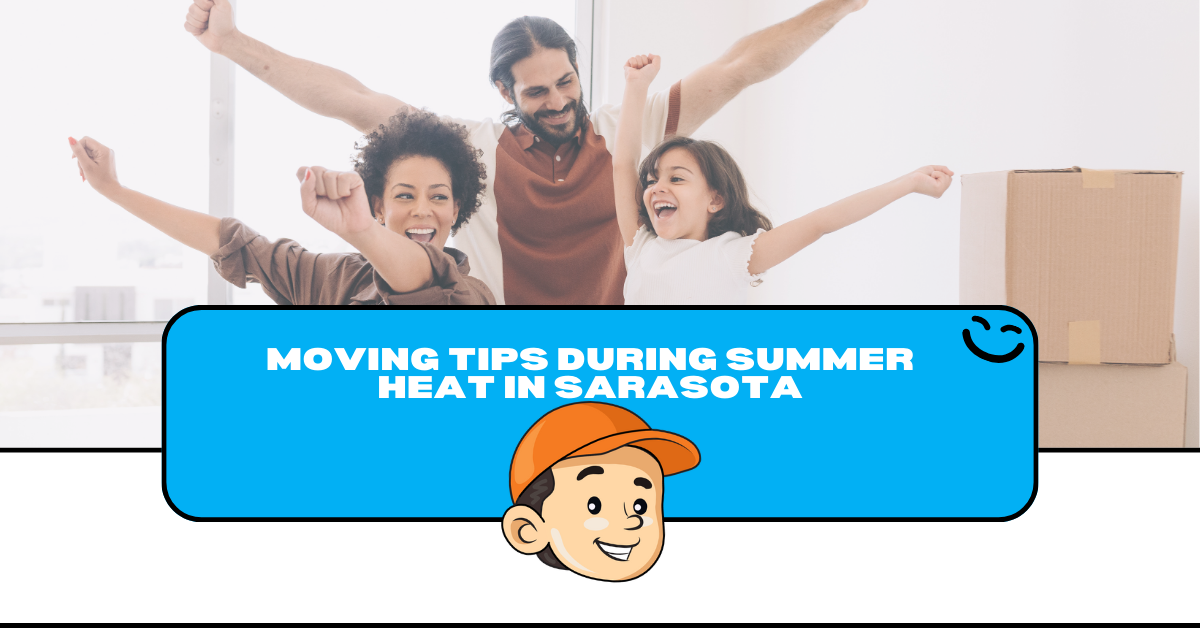
Summer brings beautiful weather and longer daylight hours, making it a popular season for relocations. However, moving in hot weather presents distinct challenges that require careful planning and preparation. Florida's summer temperatures regularly exceed 90 degrees, with humidity levels that make the heat feel even more intense.
We've helped countless families navigate summer moves in Sarasota, and we understand how proper heat management protects both people and possessions. This guide shares our proven summer moving tips to help you complete a safe, successful relocation despite the challenging temperatures.
Summer Moving Checklist: Heat-Specific Preparation Overview
Preparing for a move during intense summer heat requires specialized planning beyond standard moving preparations. Use this summer moving checklist to ensure you've covered all essential heat-related preparations at least two weeks before your moving day.
Two Weeks Before Moving Day:
- Check extended weather forecasts and consider rescheduling if extreme heat warnings are predicted
- Purchase hydration supplies, including coolers, ice, sports drinks, and bottled water
- Identify heat-sensitive items like electronics, artwork, medications, cosmetics, and vinyl records
- Reserve sun protection equipment, including pop-up canopy tents and portable fans
- Schedule your move during early morning hours when temperatures remain coolest
- Review your complete moving guide to ensure nothing gets overlooked
One Week Before Moving Day:
- Prepare a first aid kit with heat illness supplies, including cooling towels and electrolyte packets
- Stock up on light-colored, moisture-wicking clothing for everyone helping
- Create designated shaded rest areas at both locations
- Contact your moving company about items requiring climate-controlled transportation
- Confirm utilities will remain active at your current home for air conditioning access
Moving Day Morning:
- Set up shade stations with chairs, water, and cooling supplies before lifting begins
- Apply broad-spectrum sunscreen and plan to reapply every two hours
- Fill multiple coolers with ice and position them in easily accessible locations
- Designate one person to monitor everyone for signs of heat-related illness
During the Move:
- Take mandatory cooling breaks every 30 to 45 minutes
- Monitor fluid intake to ensure everyone drinks at least 16 ounces of water per hour
- Watch for heat exhaustion warning signs, including dizziness, nausea, or confusion
7 Essential Moving Tips During Summer Heat to Protect People and Belongings
Protecting your possessions from summer heat requires strategic planning and proper materials. These summer moving tips ensure your valuable items arrive at your new home in perfect condition.
Pre-Move Preparation for Vulnerable Items
Start by creating an inventory of all heat-sensitive items at least one week before your move. Reference the vulnerable items listed above and separate them into a special category requiring extra protection. Take photographs of valuable items before packing to document their condition.
Store climate-sensitive belongings in the coolest room of your home during the packing process. Keep these items in air-conditioned spaces until the last possible moment before loading. Never leave electronics, medications, or artwork in garages or storage areas that lack temperature control.
Proper Packing Materials and Techniques
Use insulated packing materials specifically designed for temperature protection. Thermal bubble wrap provides better protection than standard bubble wrap for electronics and delicate items. Wrap each electronic device individually and seal all openings to prevent heat infiltration.
Pack temperature-sensitive items in coolers with ice packs for short-distance moves. Replace ice packs every few hours to maintain consistent cooling. For medications and cosmetics, use small insulated lunch bags with reusable ice packs.
Protect wooden furniture by wrapping pieces in moving blankets before covering with plastic. The blankets provide insulation while preventing direct sun contact. Avoid wrapping wood furniture too tightly, as this traps moisture and heat against surfaces.
Place artwork and photographs in acid-free paper first, then add insulated wrapping. Store framed pieces vertically rather than flat to promote air circulation. Never pack artwork directly against truck walls where heat transfers most easily.
Smart Loading and Transportation Methods
Load heat-sensitive items last so they're first off the truck at your destination. Position these boxes away from the truck walls and the cab area, where engines generate additional heat. Create a designated climate-controlled zone in your personal vehicle for the most vulnerable possessions.
Transport medications, cosmetics, important documents, and small electronics in your air-conditioned car rather than the moving truck. Keep these items in a cooler or insulated bag, even inside your vehicle, for added protection. The Sarasota County Government offers additional resources about protecting belongings during extreme heat conditions.
Avoid afternoon moves when temperatures peak and humidity reaches uncomfortable levels in Sarasota. The protective belongings during summer move strategy works best when combined with optimal timing and proper planning.
Protecting everyone involved in your move requires proactive safety measures throughout the day. These summer moving tips help prevent heat-related illnesses while maintaining productivity.
Hydration Strategy for All-Day Moving
Proper hydration forms the foundation of heat safety during relocation efforts. We recommend drinking water before you feel thirsty because thirst indicates you're already experiencing mild dehydration. Each person should consume at least 16 ounces of water per hour during active moving periods.
Plain water works well for moves lasting less than two hours, but longer relocations require electrolyte replacement. Sports drinks help replenish sodium, potassium, and other essential minerals lost through sweating. Alternate between water and electrolyte beverages throughout the day.
Avoid caffeinated and alcoholic beverages during your move. Coffee, energy drinks, and alcohol all act as diuretics that increase fluid loss. Keep hydration stations easily accessible at both locations. Freeze water bottles the night before so they stay cold throughout the day.
Monitor hydration levels by checking urine color periodically. Light yellow indicates good hydration, while dark yellow suggests you need more fluids immediately.
Creating Effective Cooling Zones
Designated cooling areas give your moving team safe spaces to recover from heat stress. Set up pop-up canopy tents in driveways or yards at both locations. These portable shelters provide immediate shade without requiring permanent installation.
Position fans strategically to maximize air circulation. Place fans to create cross-breezes that effectively cool overheated workers.
Stock rest areas with supplies beyond just water. Include cooling towels that stay cold when wet, portable misting fans, and damp washcloths stored in coolers. These items provide quick relief from overheating.
The interior of your home offers the best cooling option if air conditioning remains operational. Keep one room designated as the primary rest area. Sarasota Memorial Hospital provides detailed information about recognizing and treating heat-related medical emergencies on its website.
Recognizing Heat Illness Warning Signs
Everyone participating in your move should understand the warning signs of heat-related illness. Early symptoms include heavy sweating, weakness, cold or clammy skin, and rapid pulse. People experiencing these symptoms need immediate rest in a cool environment with plenty of fluids.
More severe symptoms require emergency medical attention. Watch for confusion, loss of consciousness, hot and dry skin, or cessation of sweating despite continued exertion. These signs indicate heat stroke, a life-threatening condition.
Designate one person as the safety monitor responsible for watching everyone throughout the day. This person should enforce mandatory break schedules and check on helpers regularly. Don't rely on people to self-report problems because heat affects judgment.
Take breaks every 30 to 45 minutes, regardless of how people feel. This proactive approach prevents heat illness rather than reacting to symptoms. Remember that how far in advance you book movers becomes especially important during the summer when experienced companies fill their schedules quickly with customers seeking early morning time slots.
Keeping Children and Pets Safe
Children and pets are more vulnerable to heat-related illness than adults due to their smaller body sizes and less efficient temperature regulation. Arrange alternative care for young children and pets on moving day whenever possible. Consider asking family members or friends to watch them in air-conditioned environments away from the moving chaos.
If children must be present, designate one adult to supervise them exclusively in a cool indoor space. Provide quiet activities like coloring, puzzles, or movies to keep them occupied. Ensure they drink water regularly, even if they don't ask for it.
Keep pets in a single air-conditioned room with the door closed to prevent escapes during loading. Provide fresh water bowls and check on them every hour. Never leave pets in vehicles even briefly, as temperatures inside cars can reach deadly levels within minutes during Sarasota summers.
What Professional Movers Do to Beat the Heat
Professional moving companies implement comprehensive heat management strategies that protect both crews and customer belongings. Understanding these protocols helps you recognize what separates experienced movers from unprepared operations.
Happy Helpers Moving's Summer Heat Protocols
We've developed extensive heat safety during relocation procedures based on years of experience with Florida's intense summer conditions. Our crews begin every summer move with a detailed safety briefing that reviews warning signs of heat illness and reinforces hydration requirements.
We staff summer moves with additional team members to enable work rotation schedules. Crew members alternate between active moving tasks and rest periods, preventing any single person from becoming overexposed to heat stress. This approach maintains productivity while protecting worker health.
We supply our crews with professional-grade cooling equipment, including moisture-wicking uniforms, wide-brimmed hats, and UV-protective sunglasses. Our trucks carry coolers stocked with water and sports drinks that get refilled throughout the day.
Specialized Equipment That Makes the Difference
Specialized moving equipment makes summer relocations safer and more efficient. Professional-grade dollies reduce the number of trips required, which decreases overall heat exposure. Our hydraulic lift gates eliminate the need to manually carry heavy items up and down truck ramps that become dangerously hot.
We utilize climate-controlled trucks for moves involving heat-sensitive possessions. These vehicles maintain consistent internal temperatures regardless of outside conditions. Electronics, artwork, antiques, and other vulnerable items travel in air-conditioned comfort. We load these items last and unload them first to minimize heat exposure.
Portable shade structures deploy quickly at any location to create instant relief from direct sunlight. These commercial-grade canopies withstand wind better than consumer models. We position them strategically to shade primary work zones and rest areas.
Our crews carry industrial fans that move significantly more air than standard household models. These fans cool both people and spaces, making indoor work areas more comfortable when air conditioning isn't available.
We maintain relationships with local Sarasota resources that support summer moving operations. Facilities like the Sarasota YMCA and Selby Public Library provide information about community cooling centers when needed.
Real-time weather monitoring allows us to adjust plans if conditions become dangerously hot. We track heat index values, not just air temperatures, because humidity dramatically affects how hot conditions actually feel in Sarasota's summer climate. This attention to detail ensures protect belongings during summer move operations remains our top priority.
Conclusion
Moving in hot weather demands careful planning and proper safety measures to protect both people and possessions. Following proven summer moving tips like strategic scheduling, adequate hydration, climate-controlled transport, and heat-sensitive packing helps ensure successful relocations.
At Happy Helpers Moving, we bring the expertise, equipment, and experience needed to handle your summer move safely and efficiently. Contact us today to schedule your move with a team that understands Sarasota's summer conditions and knows how to beat the heat while protecting what matters most to you.