

How to Create a Moving Binder: Your Command Center
A moving binder keeps everything in one place. No more digging through emails for your moving company's number or searching for that receipt you need.
We're Happy Helpers Moving Co, a veteran-owned moving company. Organization isn't optional for us—it's how we operate. This is your system for staying on top of your move from start to finish.
Set this up and you'll thank yourself every single day until you're settled in your new home.
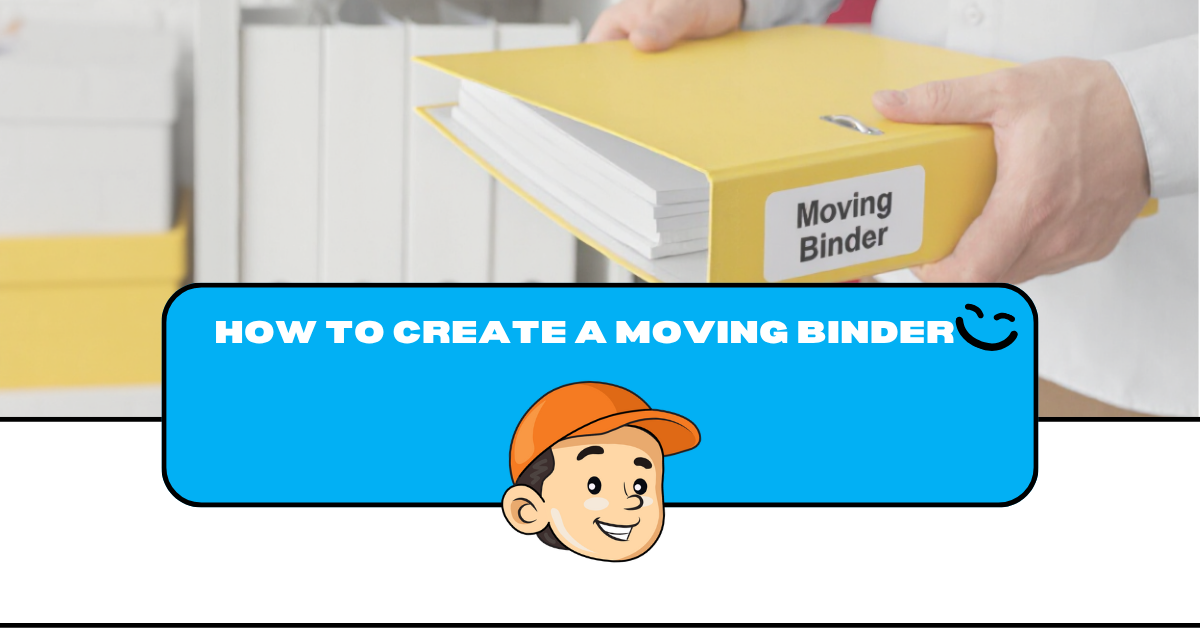
Why You Need a Moving Binder (Trust Us on This)
Every successful move has one thing in common: organized people who know where their paperwork is.
A moving binder keeps all documents in one place. No more searching through your email at 9 PM looking for your moving estimate. No more wondering if you called the electric company. Everything you need is right there when you need it.
Here's what happens without one: you forget to disconnect utilities, lose important receipts, can't find your moving contract when you need to reference it, miss deadlines, and spend half your move stressed about paperwork instead of actually moving.
Organization reduces stress. That's not theory—that's what we've seen in thousands of moves.
Physical or Digital? Pick What You'll Actually Use
You've got two options for your moving binder. Both work.
Physical binders are tangible, need no technology, are easy to grab on moving day, and you can flip through them quickly. Digital folders are accessible from anywhere, easy to share with family, automatically backed up, and searchable.
Our recommendation? Physical binder with digital backup. Get the benefits of both. Keep the physical binder at home for quick reference, and scan important documents into a cloud folder for backup. If the binder goes missing on moving day, you've still got everything.
Pick the system you'll actually use. The best organizational system is the one you maintain.
Get These Supplies (Under $25 Total)
You don't need anything fancy. Simple and functional beats pretty and unused.
What to buy:
- 2-3 inch three-ring binder (bigger is better than smaller)
- Tabbed dividers with 8-10 sections
- Sheet protectors for important documents
- Three-hole punch
- Pocket folders for receipts
- Permanent marker or labels for divider tabs
Total cost: under $25 at any office supply store. Set aside 30 minutes to assemble it. Then you're ready to go.
How to Create A Moving Binder: Expert Advice
Your moving binder checklist should break down tasks into manageable weekly goals leading up to moving day. The City of Sarasota provides resources for new residents that can help you plan your timeline effectively.
Section 1: Lock Down Your Moving Company Info
The first section is for your moving company. Everything about who's handling your move goes here.
Include these:
- All moving estimates you received (even from companies you didn't choose)
- The contract you signed
- Insurance documentation
- Moving company contact information (phone, email, address)
- Moving day schedule and details
- Payment receipts
- Damage claims process information
Keep the moving contract in a sheet protector. You'll reference it multiple times. When you need to call your movers with questions, this section has everything.
Section 2: Everything About Your Old and New Home
Home paperwork lives here. Current place and new place together.
Old home documents:
- Current lease or closing documents if you own
- Final walkthrough checklist
- Landlord or HOA contact information
- Move-out requirements from your lease
- Keys, gate codes, and mailbox combinations written down
New home documents:
- New lease or purchase paperwork
- Floor plans (helps plan furniture placement)
- HOA or condo rules
- New keys and access codes
- Building manager contact information
- Move-in checklist
Having floor plans in your binder on moving day? That's how you tell movers exactly where furniture goes without standing there confused.
Section 3: Your Complete Inventory (Every Single Box)
This section tracks every item you're moving.
Start your inventory early. Number every box as you pack it. Write what's in it. Take photos of valuable items. Record serial numbers for electronics. Document the condition of expensive furniture and electronics before the move.
Your inventory system:
- Master list with box numbers and contents
- Photos of valuable items from multiple angles
- Serial numbers for TVs, computers, and gaming systems
- Condition documentation for insurance purposes
- Notes about items requiring special handling
If something gets damaged or lost, this section is your proof for insurance claims. We've seen people lose thousands because they couldn't prove what they moved or what condition it was in.
Section 4: Track Every Dollar You Spend
Moving costs money. Track where it goes.
Financial documents to keep:
- Moving budget worksheet with projected costs
- Every receipt (moving company, supplies, rental trucks, storage, anything)
- Payment confirmations and credit card statements
- Expenses marked as tax-deductible (some moving costs qualify)
- Running total so you know where you stand
Keep receipts in pocket folders by category. Check your running total weekly. Moves always cost more than expected, but tracking helps you stay in control instead of being surprised.
Some moving expenses are tax-deductible if you're relocating for work. Keep everything. Track every moving-related expense in a dedicated budget section of your organizing documents for moving.
Section 5: Utilities and Services (Don't Forget These)
Utility coordination is where people drop the ball. Not you.
For your old home:
- Disconnection dates for electric, gas, water, internet, cable, trash
- Confirmation numbers from utility companies
- Final bill amounts
- Return information for equipment (cable boxes, modems)
For your new home:
- Connection dates for all services
- New account numbers
- Deposit receipts
- Installation appointment confirmations
- Contact information for all providers
Schedule disconnection for the day AFTER you move out. Schedule a connection for the day BEFORE you move in. Write confirmation numbers next to every entry. When the cable company claims they have no record of your appointment, you've got proof.
Section 6: Who You've Notified (And Who's Left)
Change of address isn't one task—it's fifty tasks. Track them all here.
Keep records of:
- USPS change of address confirmation
- Complete list of everyone who needs your new address
- Date you notified each organization
- Confirmation numbers, where applicable
- Driver's license and vehicle registration updates
- Voter registration change
Make a master checklist of every place that needs your new address. Check them off as you complete them. Banks, credit cards, insurance companies, employers, IRS, subscriptions, doctors, schools, professional licenses—the list is longer than you think.
This section prevents you from missing someone important and having bills or documents sent to your old address.
Section 7: Important Documents (Copies Only)
Some documents need to travel with you, not on the moving truck. Keep copies in your binder.
Document copies to include:
- Birth certificates
- Insurance policies (health, auto, home, life)
- Medical records and prescriptions
- School records and transcripts
- Pet vaccination records
- Vehicle titles and registration
Critical note: these are COPIES. Keep original documents in a separate folder that stays with you in your personal vehicle. Never put irreplaceable documents on a moving truck. The binder just has copies for reference.
Section 8: Your Moving Timeline and Task List
Your week-by-week battle plan goes here.
Break down your move into weekly tasks. Write deadlines clearly. Check off completed tasks. Highlight what's coming up next. Add a notes section for each week where you can write questions, problems, or things to remember.
Timeline tracking:
- 8 weeks out tasks
- 6 weeks out tasks
- 4 weeks out tasks
- 2 weeks out tasks
- 1 week out tasks
- Moving day checklist
- First week after the move tasks
Update this section every weekend. It keeps you on track and shows you exactly what needs to happen next. No guessing, no forgetting, no scrambling.
Read more: Complete Moving Guide: What You Need to Know Before You Move
Section 9: Everyone's Contact Info in One Place
You need phone numbers fast during a move. Keep them all here.
Contact list to maintain:
- Moving company (direct line, not just main number)
- Real estate agents or brokers
- Current landlord and new landlord
- All utility companies
- School district offices
- New doctors and dentists (if you've found them)
- Friends and family helping you move
- Building managers at old and new places
- Emergency contacts
Don't rely on your phone. Phones die, get lost, or malfunction at the worst times. Paper backup saves you every single time. Update your moving binder printables immediately after completing tasks or receiving new information.
The Sarasota Memorial Hospital and local school information from Sarasota County Schools are essential resources to include for families relocating to the area.
How to Actually Use This Thing
Building the binder is step one. Using it consistently is what matters.
Keep your binder somewhere visible. Kitchen counter, home office desk, wherever you see it daily. Update it weekly at a minimum. File papers immediately when you get them—not "later," not "tomorrow," right when they come in.
Take the binder with you on moving day. It's your reference guide for everything. Need to check what the movers estimated? It's there. Need to call the utility company about a connection problem? Numbers should be there. Need to verify what's in box #47? It's there.
Check your binder before making any moving-related decisions. It keeps you from forgetting details or making choices based on incomplete information.
This isn't busy work. This is the difference between a smooth move and a chaotic disaster.
Set Up Your Digital Backup (Do This Too)
Technology fails. Papers get lost. Have both.
Scan or photograph every important document in your binder. Create a cloud storage folder with the same section structure as your physical binder. Google Drive, Dropbox, iCloud—whatever you use regularly.
Your digital backup should mirror your physical binder exactly. Same sections, same organization, same documents. Make it accessible from your phone and computer. Share access with your partner or family members if they're involved in the move.
Update your digital backup weekly when you update your physical binder. Takes five extra minutes. If your physical binder goes missing, gets damaged, or ends up on the wrong moving truck, you've got everything backed up.
What to Keep After You've Moved
You're unpacked and settled. What stays in the binder?
Keep these for at least one year:
- Moving company contract and all receipts (tax purposes and warranty claims)
- Complete inventory lists (insurance claims can come up later)
- New home documents (lease, purchase agreement, inspection reports)
- Utility setup confirmations (billing disputes happen months later)
- Change of address records (proof you notified everyone)
You can toss:
- Old home documents (unless you're a homeowner dealing with capital gains)
- Packing supply receipts
- Utility disconnection confirmations from the old place
- Most of the timeline and task lists
Move the keeper documents into your regular household files. Don't throw away moving receipts until you've filed taxes for that year—some expenses are deductible for work relocations.
Bottom Line: Organization Wins
A moving binder takes 30 minutes to set up. It saves you hours of stress, searching, and scrambling.
Organization isn't complicated. Get a binder, set up sections, file papers as they come in, and reference it when you need information. That's it. No fancy system required. Just discipline to maintain it. Having a comprehensive moving resource that covers every step ensures you don't overlook critical tasks during the busy moving period.
We're Happy Helpers Moving Co, veteran-owned movers serving Sarasota and the Gulf Coast. Organization is part of how we approach every move. It's part of how YOU should approach your move, too.
Ready to book your Sarasota move? Get your free estimate today. We'll provide all the documents you need for Section 1 of your binder.