Measuring Furniture Before Your Move: What to Do
You’ve probably got a million things on your mind as you prepare for your move across Sarasota, FL. Moving day arrives, the truck is loaded, and suddenly, a beloved sectional won’t fit through the front door of the new home. At Happy Helpers Moving, we’ve seen it happen countless times during our years helping families relocate.
Yes, we totally get it!
That’s why we’re sharing our professional insights on measuring furniture before moving, a crucial step that many people overlook until it’s too late. We’ll walk you through everything you need to know about furniture measurements for moving, from the basic tools to the exact techniques we use on every job.
Essential Tools You Need for Measuring Furniture
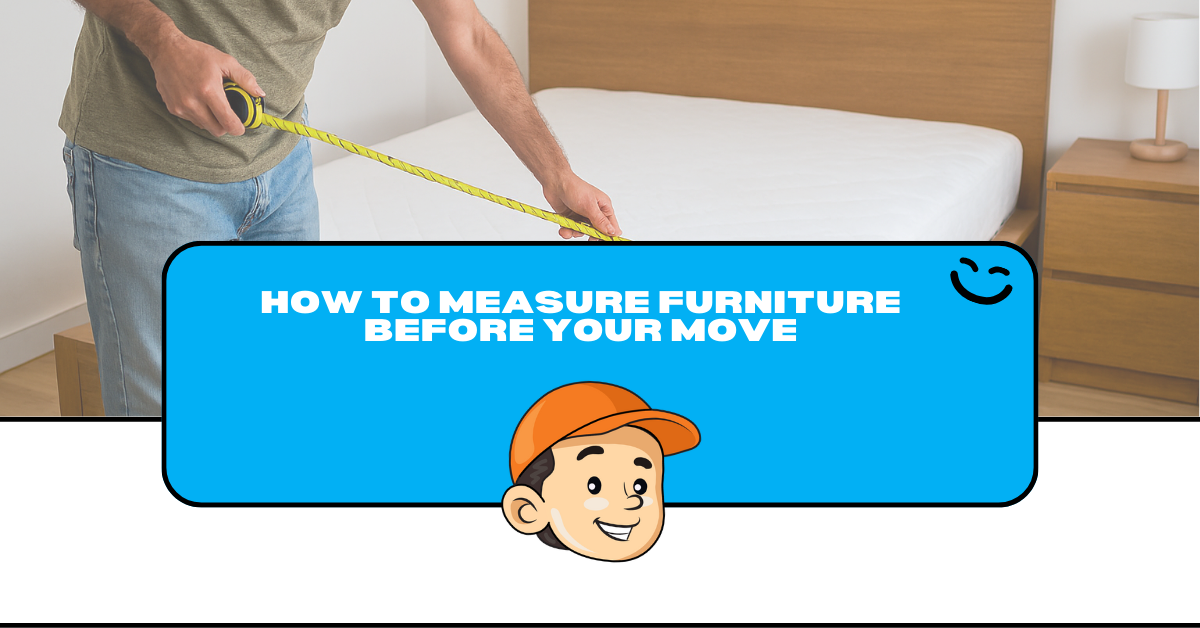
Getting accurate measurements starts with having the right equipment on hand. You don't need fancy or expensive tools to measure your furniture correctly. Most items are probably already sitting in your junk drawer at home. Having these tools ready before you start will make the entire process much smoother and more accurate.
Basic Measuring Tools Every Homeowner Should Have
A standard 25-foot tape measure is your most important tool for measuring furniture dimensions. We recommend the kind with a locking mechanism so the tape stays extended while you record numbers. You'll also need a notepad or smartphone to write down every measurement immediately. A pencil with an eraser helps when you need to sketch furniture layouts or correct mistakes.
Keep a level handy to ensure your measurements account for any floor slopes or uneven surfaces. We always carry a step ladder because measuring the height of tall armoires or bookcases from the ground leads to inaccurate numbers.
Digital Tools and Apps That Make Measuring Easier
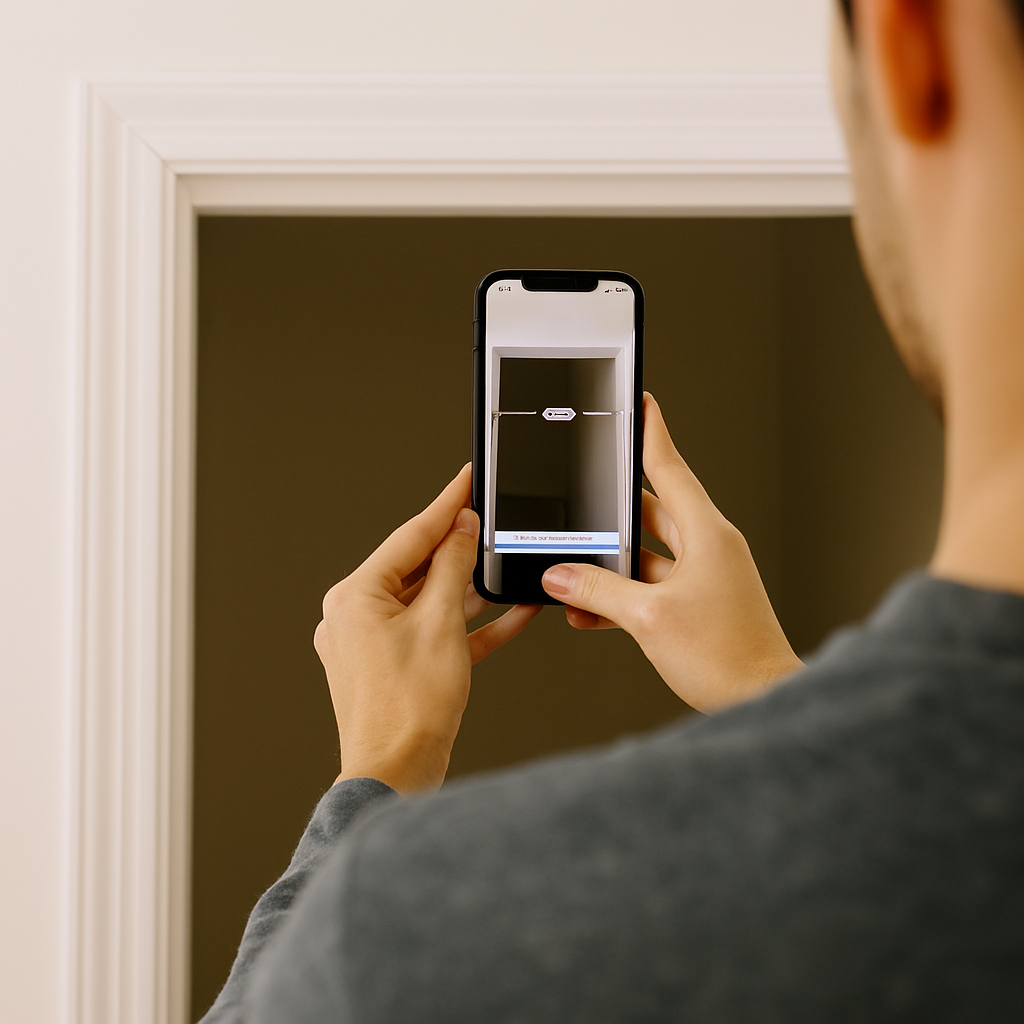
Technology has made measuring furniture before moving significantly easier than it was even five years ago. Several free smartphone apps use augmented reality to measure spaces and furniture with surprising accuracy. Apps like MagicPlan and RoomScan allow you to create floor plans by simply walking around a room. The Measure app built into newer iPhones uses the camera to calculate the dimensions of objects.
Digital tools work best when combined with traditional tape measures for double-checking critical measurements. Take photos of each furniture piece with measurements written on painter's tape visible in the image.
Understanding Furniture Dimensions: Height, Width, and Depth
Every piece of furniture has three critical dimensions that determine whether it will fit through doorways and into your new rooms. These measurements seem straightforward, but we've learned that many homeowners measure incorrectly because they don't understand what each dimension represents. Getting these numbers right is essential for moving large furniture through doorways and up staircases without damage.
- Depth measures from the front of the furniture to the back, or how far the piece extends into a room. For a sofa, depth includes the seat cushions and backrest measured from the front edge to the rear. Many people forget to account for legs that stick out beyond the main body.
- Height measures from the floor to the highest point of the furniture piece. Don't just measure to the top of the main body if decorative elements extend higher. Armoires, bookcases, and headboards often have crown molding or finials that add several inches.
- Width measures from the leftmost point to the rightmost point when facing the furniture. For rectangular pieces like dressers, this measurement is straightforward. Always measure at the widest point, including any protruding handles, knobs, or decorative elements that could catch on doorframes.
How to Measure Your Furniture Correctly
Accurate furniture measuring tips separate smooth moves from stressful disasters. We approach every measurement systematically to ensure nothing gets missed. The key is measuring each piece at its widest, tallest, and deepest points while accounting for parts that protrude or can be removed.
Measuring Large Furniture Pieces (Sofas, Beds, Dressers, Bookcases)
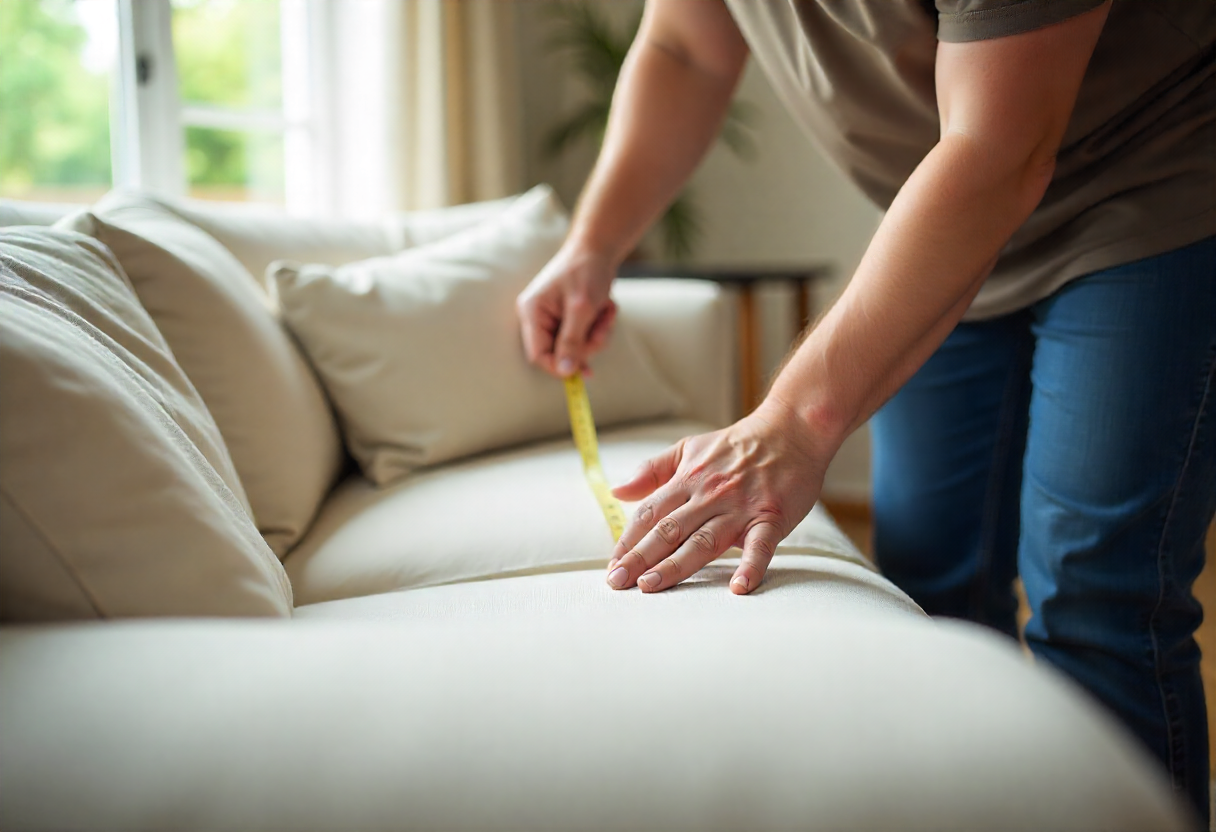
Sofas require special attention because their dimensions change depending on how they're positioned during a move. Measure the height from the floor to the top of the backrest, then measure again to the top of any cushions if they sit higher. The width spans from outer arm to outer arm at the widest point. We always measure the diagonal distance from the top back corner to the bottom front corner because this dimension determines whether the sofa fits through doorways when tilted.
Beds need measurements for both the frame and mattress separately. Box springs are often bulkier than mattresses and may not bend around tight corners. Measure headboards and footboards at their tallest and widest points, checking whether they detach from the frame.
Dressers should be measured with all drawers closed and any mirrors attached. Check the depth at both the top and bottom since some dressers have a deeper base. Remove mirrors if possible and measure them separately to prevent damage during transport.
Bookcases are taller than they appear and often won't fit through standard doorways standing upright. Measure the full height, including any decorative top pieces. Adjustable shelves should be removed and packed separately to reduce weight and prevent damage.
Measuring Oddly-Shaped Items (L-Shaped Couches, Corner Desks)
L-shaped couches present unique challenges because you need multiple measurements to understand their full dimensions. Measure each section of the L separately from end to end. Then measure the overall span when both sections are connected. Record the height of the backrest along both arms of the L. We often find that L-shaped furniture moves more easily when sections can be separated.
Corner desks and entertainment centers require measuring from the outer edges along each wall they would touch. Measure the diagonal distance across the front opening. Check whether the piece can be disassembled into smaller sections for transport. Measure the depth at the deepest point, which is usually at the corner where both sections meet.
Measuring Doorways, Hallways, and Staircases
Knowing your furniture dimensions means nothing if you haven't measured every path it needs to travel. We've rescued countless moving days by checking these measurements weeks before the actual move. Your new home's doorways, hallways, and staircases determine which furniture makes the journey and which pieces need alternative solutions.
Standard Door Measurements
Most interior doorways in Sarasota homes measure between 30 and 32 inches wide. The height typically ranges from 80 to 84 inches for standard doors. However, older homes near the Rosemary District often have narrower doorways that create challenges for modern furniture.
Measure the actual opening width from frame to frame, not including the door trim. Subtract two inches from the width measurement to account for maneuvering space. Remove doors from their hinges to gain an extra two inches of clearance when needed.
Front doors and patio sliders usually offer more width than interior doors. Most entry doors measure 36 inches wide, providing extra space for larger furniture pieces. French doors can be particularly helpful since both panels open to create a wide passage.
Navigating Tight Hallways and Corners
Hallway width matters more than most people realize when moving large furniture through doorways. Measure your hallway at its narrowest point, which is often near corners or where walls protrude. Standard hallways measure between 36 and 48 inches wide in most Florida homes. You need at least 10 inches more than your furniture's depth to successfully navigate a hallway.
Corners require measuring both the hallway width and the turning radius your furniture needs. Stand at the corner and measure how much space exists for pivoting large pieces. We often tilt furniture diagonally to navigate corners, so measure the vertical clearance as well.
Staircase Measurements and Angles
Staircases cause more furniture damage than any other part of the home during moves. Measure the width between handrails or between the wall and handrail. Most staircases in Sarasota range from 36 to 42 inches wide. Check the vertical clearance from each step to the ceiling or any overhead obstruction. The angle of your staircase affects what furniture fits, with steeper stairs providing less maneuvering room.
Landing areas between staircase flights need careful measurement because furniture must pivot in these spaces. Measure the landing depth and width in all directions. Check for any light fixtures or ceiling fans that reduce clearance.
Elevators
Elevator dimensions are critical for high-rise moves common in downtown Sarasota buildings. Measure the elevator car's interior width, depth, and height with the doors fully open. Check the door opening width since this is usually the most restrictive measurement. Service elevators typically offer more room than passenger elevators and should be your first choice. The Ritz-Carlton Residences in Sarasota demonstrated the importance of elevator planning during our recent moves there. Building management often provides elevator dimensions, but we always verify measurements ourselves.
Room-by-Room Measurement Guide
Start your room measurements at the entry point and work systematically around the space. Measure wall lengths where furniture will be placed, noting any outlets, switches, or vents that could interfere. Windows and their distance from corners determine where beds and sofas can go. Record ceiling heights in each room since homes built on slabs sometimes have varying heights. The Selby Gardens gift shop demonstrates how proper space planning maximizes functionality in limited square footage.
Check for any architectural features that reduce usable space, like columns, built-in shelving, or radiators. Measure the distance between the doorway and any obstacles that might block furniture placement.
Professional Tips for Furniture That Won't Fit
Sometimes measurements reveal that your favorite furniture simply won't fit in your new home. This discovery is disappointing, but better made before moving day arrives. We've developed creative solutions over the years for furniture that won't fit through standard pathways..
- Remove legs, cushions, doors, shelves, and any detachable elements to reduce overall dimensions significantly.
- Take detailed photos during disassembly so you remember exactly how everything reconnects in your new home.
- Label all hardware pieces and store them in labeled plastic bags taped to the furniture.
- Garage entries can accommodate larger items since garage doors offer significantly more clearance than interior doorways.
- Exterior lifts can hoist furniture to upper floors when staircases and elevators won't accommodate large pieces.
- Coordinate with building management to ensure compliance with property rules before any hoisting operation begins.
- Organizations like Goodwill Manasota accept furniture donations and provide tax receipts for your charitable contribution.
- Local consignment shops in Sarasota can sell quality furniture pieces and give you funds toward replacements.
- Sometimes starting fresh with appropriately sized furniture for your new space makes more financial sense.
- Online marketplaces connect you with local buyers who might have homes better suited for your oversized pieces.
Make Your Move Stress-Free with Proper Planning
Here's the thing about moving furniture: a little preparation goes such a long way.
We've walked you through how to measure everything correctly because we genuinely want your move to go smoothly. Taking these measurements might seem tedious right now, but you'll thank yourself when moving day arrives, and everything fits perfectly.
If you're feeling overwhelmed by all the planning your move requires, we've put together a helpful step-by-step moving guide that covers everything from start to finish. And hey, if you'd rather have professionals handle the measuring, heavy lifting, and logistics, that's exactly what we're here for. Give Happy Helpers Moving a call today and let us take the stress out of your Sarasota move.